Building a College Study Timetable You'll Actually Stick To: Energy-Aware Scheduling
Why traditional hour-by-hour timetables fail for college students. How to build energy-aware task blocks that fit around classes, internal assessments, and campus life.
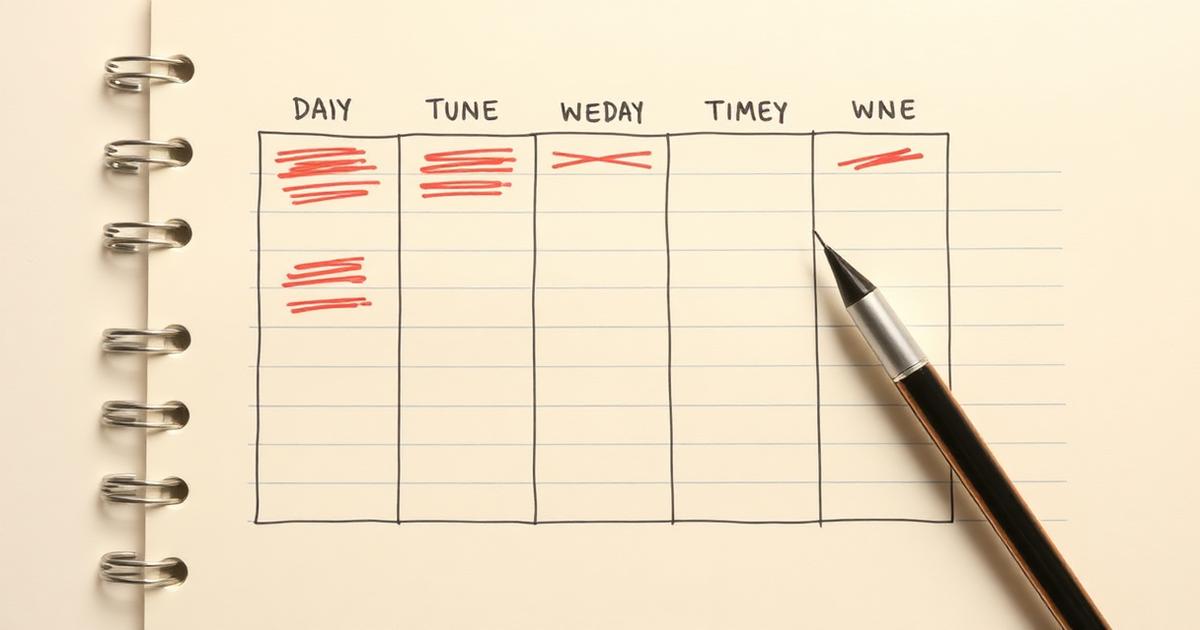
Building a sustainable college study schedule requires aligning daily study blocks with academic calendars published on du.ac.in and internal assessment submission dates. Traditional rigid hour-by-hour schedules fail because they ignore cognitive fatigue and college timetable volatility.
The 3-Block Energy Framework
- Deep Focus Block (Morning / Peak Energy - 90 Mins): Reserved exclusively for quantitative problem solving (MME calculus, Micro optimization, Econometrics proofs).
- Maintenance Block (Between Classes / Midday - 45 Mins): Reserved for active recall card testing, blurt sheet reviews, and administrative reading.
- Synthesis Block (Evening - 60 Mins): Reserved for drafting 5-page timed model answers and organizing lecture notes.
Related Productivity Guides
Learn how to optimize your study environment and revision workflow through our guides on The Best Study Spots in DU North Campus and Semester Note-Taking Systems.
Frequently asked questions
How many hours a day should I study in college?
Two to three hours of focused study on weekdays and a longer block on Sunday is enough for most Indian undergraduate courses if the time is genuinely focused.
Should I use Pomodoro or 90-minute blocks?
Both work. Pomodoro suits shorter tasks and lower focus days; 90-minute blocks suit deeper reading and problem-solving.
What if I miss a whole day of my plan?
Do not try to make up the hours the next day. Move the specific tasks back into the pool and let the next available block absorb them.
Dhairya sat the same DU papers he now writes about. Acadly is his attempt to say the useful things his own first-year self would have wanted to hear.
Keep reading

Active Recall for Theory Subjects: Cognitive Science, Blurting Methods & Spaced Repetition
Exhaustive guide to active recall and retrieval practice for college theory exams. Cognitive psychology foundations, blank-page blurting method, Leitner box flashcards, Anki setups, and 1-3-7-21 spaced repetition schedules.
One-Page Cheat Sheets That Actually Work for College Exams: 4-Quadrant Synthesis Masterclass
How to condense a semester's worth of economics or commerce notes onto single-page visual synthesis sheets for rapid exam revision. 4-quadrant layout, formula blocks, and diagram triggers.
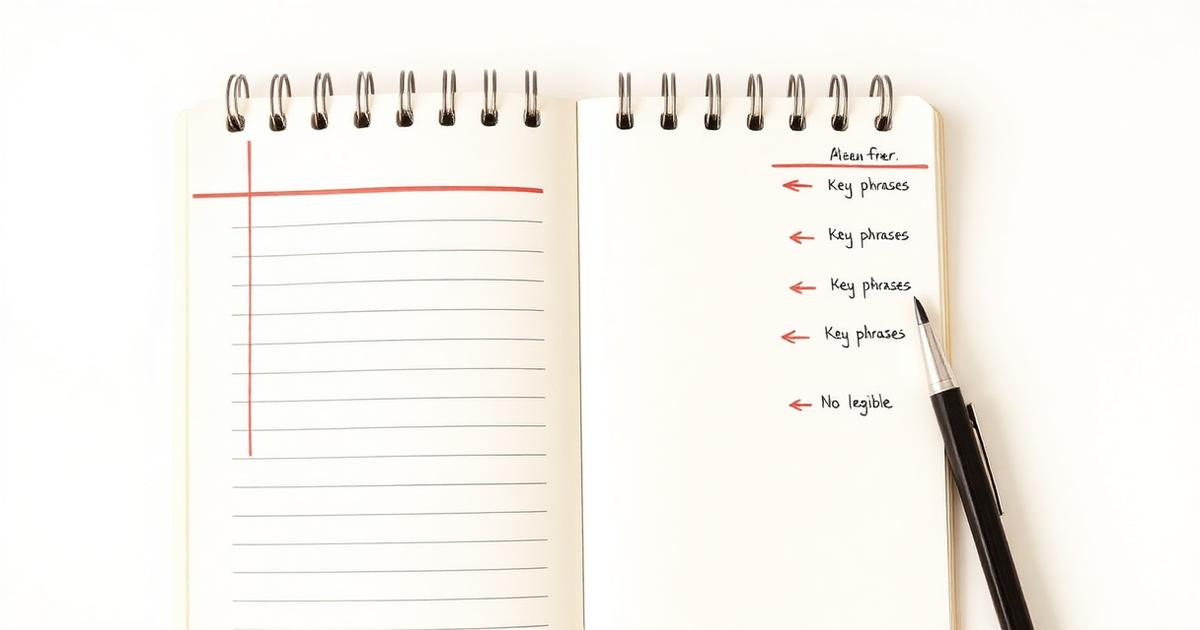
How to Take Notes During the Semester That Are Actually Useful at Revision Time
The Cornell system adapted for DU lectures. Handling fast-talking professors, organizing textbook readings, and structuring notes so you aren't starting from scratch in study leave.