DU Internship & Placement Cell Masterclass 2026: CV Formatting, Case Interviews & Campus Drives
Exhaustive 4,000-word career masterclass for Delhi University students in 2026. Covers Central Placement Cell (CPC) registration, college-level placement cells, one-page resume formatting, case interview prep, and corporate recruitment timelines.

Landing a lucrative corporate placement or a high-impact internship is one of the top goals for Delhi University students. Whether you are aiming for Management Consulting (MBB, LEK), Investment Banking / Equity Research (Goldman Sachs, DE Shaw, J.P. Morgan), Big 4 Accounting (Deloitte, PwC, EY, KPMG), or FMCG Marketing (HUL, ITC), navigating DU's placement ecosystem requires early preparation.
Delhi University operates a dual recruitment structure: the university-wide Central Placement Cell (CPC) and autonomous College Placement Cells (such as the Placement Cell SRCC, The Placement Cell Hansraj, or Training & Placement Cell Hindu College).
In this 4,000-word masterclass guide, we break down the 2026-27 placement cycle timeline, CPC registration protocols, one-page corporate resume (CV) formatting guidelines, guesstimate and case interview frameworks, and recruitment statistics across North and South Campus colleges.
1. The DU Placement Ecosystem: CPC vs. College Placement Cells
Understanding how campus recruitment is organized across Delhi University is essential for maximizing your interview calls.
| Feature | Central Placement Cell (CPC) | College Placement Cells (e.g., SRCC / Hindu / Hansraj) |
|---|---|---|
| Scope & Coverage | Open to ALL registered DU students across all colleges and departments (UG, PG, SOL, NCWEB). | Strictly restricted to students enrolled in that specific constituent college. |
| Recruiter Tier | Mid-market companies, startups, government initiatives, non-profits, and select MNCs. | Tier-1 recruiters: MBB (McKinsey, Bain, BCG), Global Investment Banks, Big 4, FMCG leaders. |
| Registration Portal | Central portal at cpc.du.ac.in. Annual registration fee applies. | College-specific portal (e.g., Portal SRCC or internal Google Workspace drives). |
| Placement Drive Frequency | Mega Job Fairs (2-3 times per academic year) + ongoing portal listings. | Continuous recruitment season (Phase I: Aug–Dec; Phase II: Jan–May). |
2. Corporate Recruitment Season Timeline (2026-27)
The DU placement calendar follows a structured 4-phase progression throughout the academic year.
Tier-1 Management Consulting firms (Bain & Co, McKinsey, BCG, LEK), Top Financial Institutions (DE Shaw, J.P. Morgan, Morgan Stanley), and Tech Giants initiate campus drives for final-year students and winter internships for 2nd/3rd year students.
Deloitte, PwC, EY, KPMG, Grant Thornton, Accenture Strategy, and boutique analytics firms conduct written rounds, case studies, and personal interviews.
Annual Internship Fairs (like SRCC's 'Internship Summit' or Hansraj's 'Opportunity Fair') bring 100+ recruiters offering 2-month summer internships for 1st and 2nd year students.
Secondary placement drives, startup hires, research assistantships, and CPC Job Fairs fill remaining vacancies.
3. The Gold-Standard One-Page Resume (CV) Template
Top corporate recruiters spending 6 seconds per resume reject non-standard formats. A successful DU corporate CV must follow a strict **1-page Harvard / Wharton PDF layout**.
3.1 Essential CV Sections & Ordering
- Header: Full Name (Bold, 16pt font), Email ID (DU institutional email preferred), Mobile Number, LinkedIn URL, City. (NO photo, home address, or marital status).
- Education (Top Section for UG Students): College Name, Degree (e.g., B.A. (Hons) Economics), CGPA (out of 10), Class 12 Percentage, Class 10 CGPA/Percentage.
- Work Experience / Internships: Reverse chronological order. Organization, Role, City, Dates. 3-4 bullet points per role using the XYZ Action-Result Framework.
- Positions of Responsibility (PORs): College society leadership (e.g., President of Economics Society, Head of Placement Cell). 2-3 bullet points emphasizing team size and event budget managed.
- Extracurricular Achievements & Projects: Case competition victories, research papers, certifications (Bloomberg, Financial Modeling, Python/R, SQL).
- Skills & Interests: Technical tools (Excel/VBA, Python, PowerBI, Stata), Languages spoken.
3.2 The XYZ Action-Impact Bullet Point Formula
Never write passive job descriptions like "Responsible for social media marketing." Use Google's XYZ formula:
❌ Bad Bullet: Worked on financial analysis for a client project.
✔ Good Bullet: Constructed a 3-statement DCF valuation model for a $5M FMCG client, identifying 12% working capital inefficiency that reduced annual operating costs by ₹1.5M.
4. Mastering Case Interviews & Guesstimates
Consulting and strategy roles evaluate candidates through live business case studies and market sizing guesstimates.
4.1 Guesstimate Framework (4-Step Process)
Example Question: "Estimate the daily revenue of Starbucks in Connaught Place, New Delhi."
- Clarify Scope: Confirm if it includes dine-in, takeaway, and delivery orders. Clarify weekday vs. weekend variation.
- Segmentation (Top-Down or Bottom-Up): Divide operating hours (8:00 AM – 11:00 PM = 15 hours) into Peak (8-10 AM, 5-8 PM) and Off-Peak hours. Estimate seating capacity (50 seats) and seat turnover rate.
- Math Execution: Peak hours (5 hours): 80% occupancy * 50 seats = 40 customers/hour * ₹350 average order = ₹14,000/hr * 5 = ₹70,000. Off-peak (10 hours): 30% occupancy * 50 seats = 15 customers/hour * ₹300 average order = ₹4,500/hr * 10 = ₹45,000. Add delivery orders (₹25,000). Total daily revenue approx ₹140,000.
- Sanity Check: Compare the final figure against realistic retail store economics in prime Delhi locations.
4.2 Essential Case Study Frameworks
- Profitability Case: Profit = Revenue (Price * Quantity) - Costs (Fixed Costs + Variable Costs). Systematically isolate whether revenue declined or costs surged.
- Market Entry Case: Market Attractiveness (Size, Growth Rate, Barriers to Entry) -> Financial Feasibility (NPV, Payback Period) -> Operational Strategy (Organic growth vs Acquisition vs Joint Venture).
- Growth Strategy Case: Ansoff Matrix (Market Penetration, Market Development, Product Development, Diversification).
5. Registration for Central Placement Cell (CPC)
If your college placement cell has limited recruiter footprint, registering with the university CPC is mandatory.
- Visit the official CPC portal at
cpc.du.ac.induring the annual registration drive. - Register with your DU institutional email ID, enrollment number, and college ID card scan.
- Upload your verified 1-page PDF resume.
- Pay the nominal registration fee (₹100 for UG/PG candidates).
- Regularly check the portal dashboard and official telegram channel for job fair calls and shortlists.
For career choices post-DU, read our CAT vs Civil Services vs Master's Guide and What Economics Graduates Do.
Frequently asked questions
How do I register for DU Central Placement Cell (CPC)?
Register online at cpc.du.ac.in with your DU institutional email ID, college ID card scan, and verified 1-page resume.
Can off-campus college students participate in North Campus placement drives?
No, college-level placement drives are restricted to enrolled students. However, ALL DU students can register for CPC drives at cpc.du.ac.in.
Dhairya sat the same DU papers he now writes about. Acadly is his attempt to say the useful things his own first-year self would have wanted to hear.
Keep reading

DU Foreign Language Courses 2026: Certificate & Diploma Admissions, Fees & Scope
Exhaustive 4,000-word guide on Delhi University foreign language courses in 2026. Covers Certificate, Diploma, and Advanced Diploma admissions at St. Stephen's, Hansraj, and GRS department, fees, and career scope.
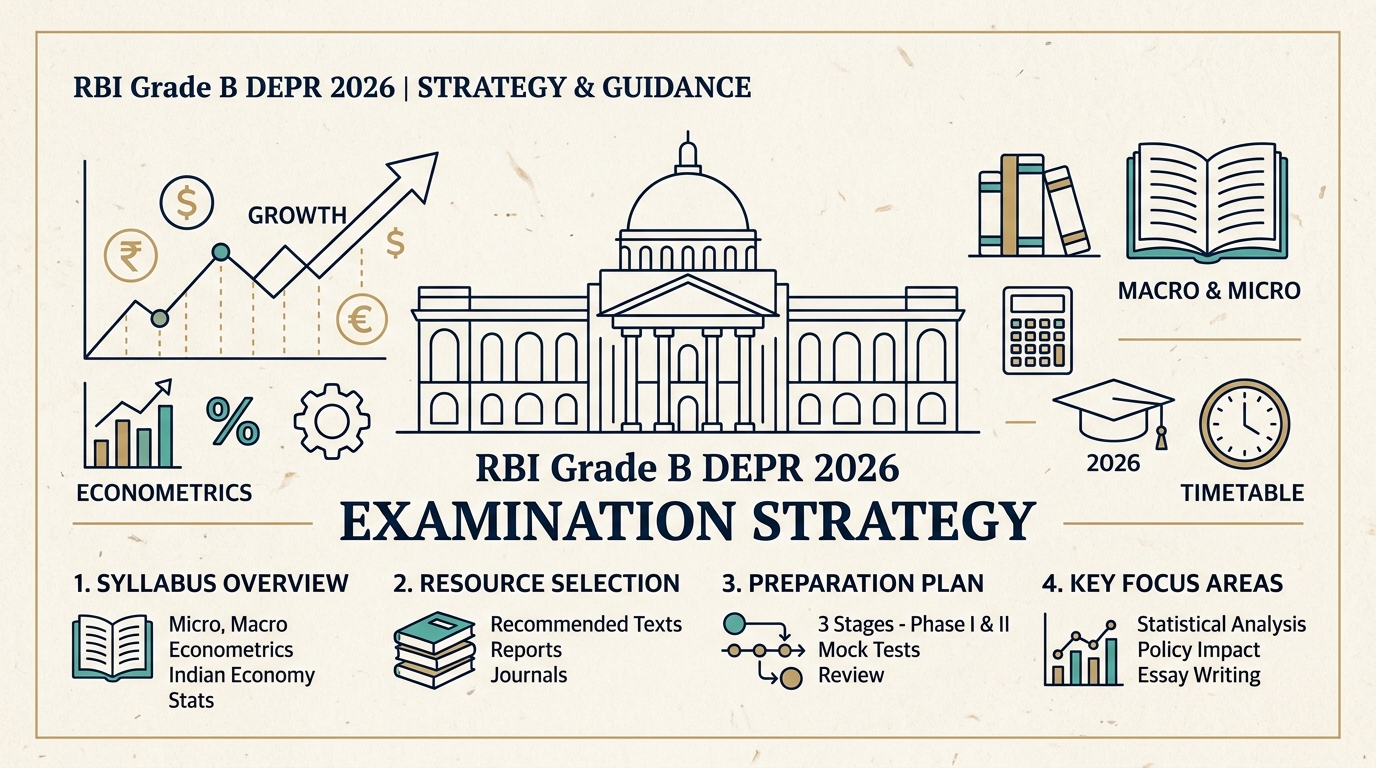
RBI Grade B DEPR 2026 Preparation: Phase 1 & 2 Syllabus, DSE Course Mapping & Books
Exhaustive 4,000-word preparation guide for RBI Grade B DEPR (Department of Economic and Policy Research) 2026. Phase 1 Objective & Phase 2 Descriptive exam papers, complete syllabus, DSE/DU course mapping, PYQ analysis, book recommendations, and 6-month preparation timeline.
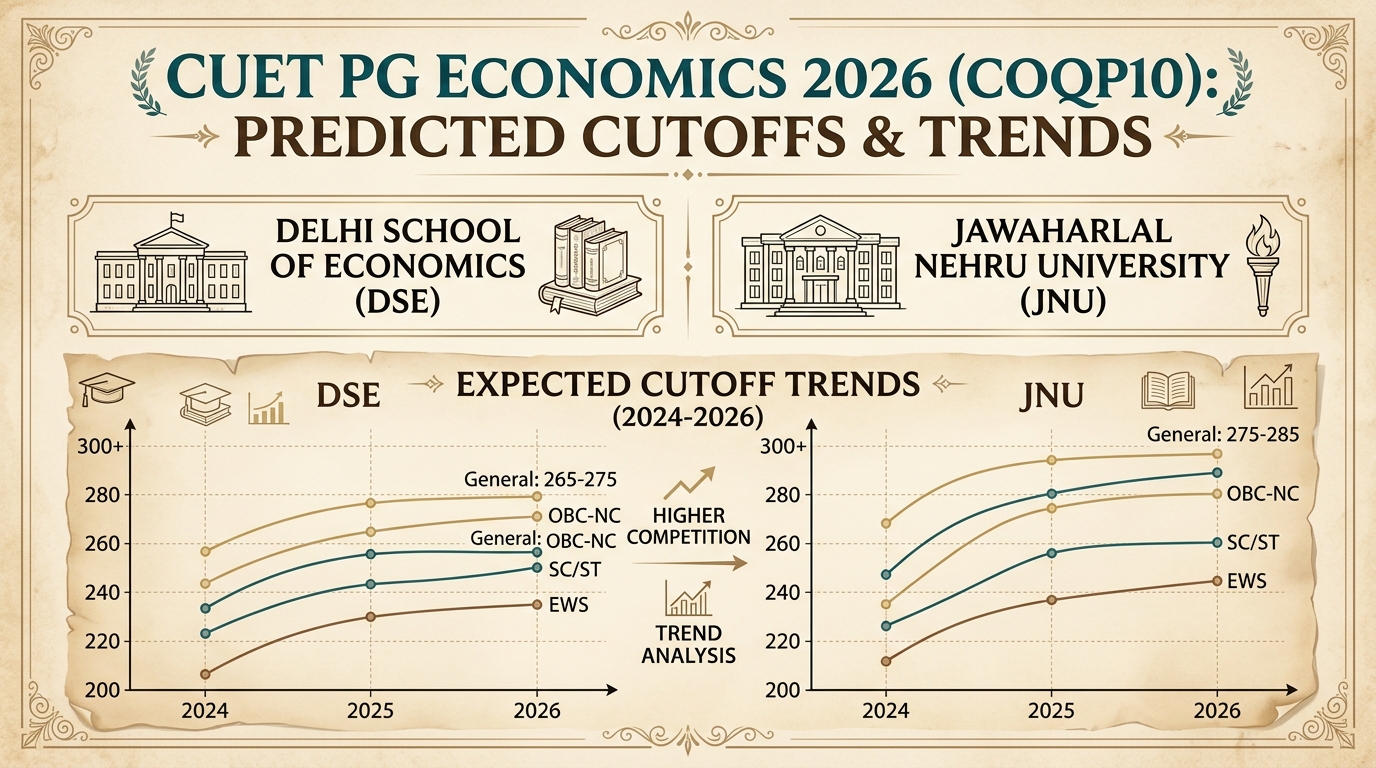
IGIDR Mumbai vs DSE: The Ultimate MA Economics 2026 Comparison Guide
Exhaustive deep-dive comparing IGIDR Mumbai and Delhi School of Economics (DSE) for MA Economics in 2026. Covers curriculum, placements, PhD prospects, campus life, and preparation strategies.