DU North Campus Hostel Mess & PG Food Survival Guide 2026: Menus, Hygiene & Cost
Exhaustive 4,000-word food survival guide for Delhi University students in 2026. Covers North/South Campus hostel mess menus, monthly mess fees, PG tiffin services, food hubs, and nutrition management.
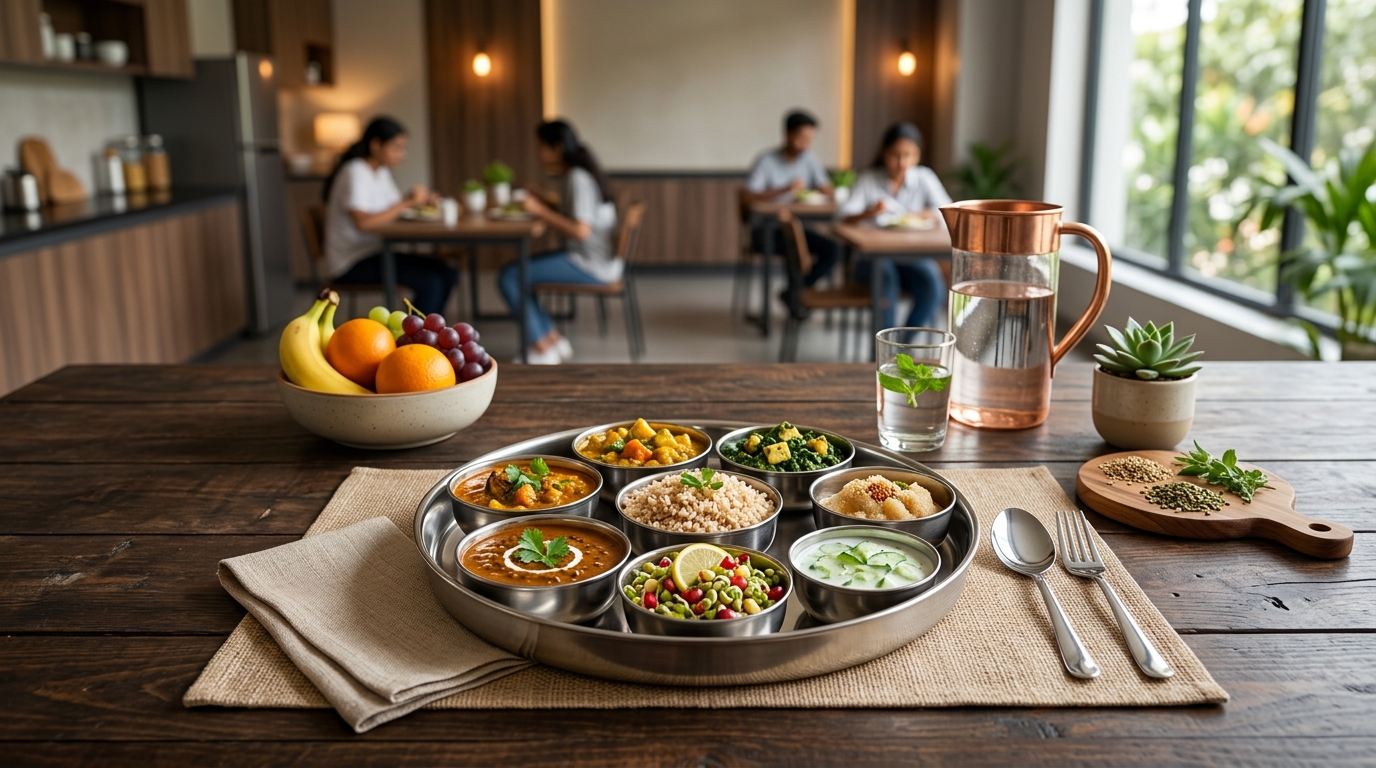
Moving away from home to attend Delhi University is an exhilarating milestone. However, once the initial excitement of college orientation wears off, every outstation fresher faces an immediate daily reality: managing food, hygiene, and nutrition on a student budget.
Whether you secured a seat in a prestigious DU hostel (like Hindu, Hansraj, Jubilee Hall, or Rajiv Gandhi Girls Hostel) or are living in a PG in Kamla Nagar, Vijay Nagar, or Satya Niketan, navigating mess menus, tiffin services, and budget food hubs is crucial for staying healthy during demanding exam cycles.
In this 4,000-word tactical survival guide, we break down DU hostel mess fee structures, weekly mess menus, PG tiffin service comparisons, food safety protocols, and student-friendly food hubs across North and South Campus.
1. DU College Hostel Mess: Mechanics & Cost Structure
Hostel mess facilities in DU operate under student-run or college-managed Mess Committees. Meals include Breakfast, Lunch, Evening Tea/Snacks, and Dinner.
1.1 Monthly Mess Charges (2026 Averages)
| Hostel Category | Monthly Mess Bill (INR) | Meal System | Rebate Policy |
|---|---|---|---|
| DU University Hostels (Jubilee / Mansarovar) | 3,200 – 4,000 | Fixed monthly contract + Cooperative mess | Mess rebate available for absence > 3 continuous days with prior notice |
| College Hostels (Hindu / Hansraj / Miranda) | 3,800 – 4,800 | Student Mess Committee oversight | Rebate permitted up to 7 days per semester during academic breaks |
| Private PGs (Kamla Nagar / Vijay Nagar) | 4,500 – 7,000 (Included in rent) | Commercial catering / In-house cook | Zero rebate; fixed monthly rent inclusion |
2. Typical DU Hostel Weekly Mess Menu
While menus vary by college, most DU hostels follow a balanced vegetarian (with optional egg/non-veg days) schedule designed by the Mess Committee.
Aloo Paratha with Curd / Poha / Idli Sambhar / Eggs & Toast + Tea / Milk. Essential fuel before 8:45 AM lectures.
Dal (Tadka / Makhani / Rajma), Seasonal Sabzi, Roti, Rice, Salad, and Raita. Special Sunday lunch includes Sweet Dish (Gulab Jamun / Kheer).
Hot Tea / Coffee + Samosa / Pakora / Biscuits.
Paneer Dish / Chana Masala / Chicken (on designated non-veg days), Dal, Roti, Rice, and Sweet Dish or Ice Cream.
3. PG Tiffin Services vs Self-Cooking for Off-Campus Students
If you live in a PG without mess facilities or rent an independent flat in Hudson Lane or Old Gupta Colony, you have three primary food strategies:
3.1 Tiffin Services (Dabba System)
- Cost: ₹3,000 to ₹4,500 per month for 2 meals a day.
- Pros: Delivered directly to your room; zero cooking or cleaning time required.
- Cons: Quality fatigue occurs after 3-4 weeks; limited menu variation; inconsistent oil/spice levels.
3.2 Hiring a Shared Cook
- Cost: ₹1,500 to ₹2,500 per person per month (if shared among 3-4 flatmates) + groceries (approx ₹2,500 per person).
- Pros: You control the ingredients, oil quantity, and menu choices. Far healthier for long-term living.
- Cons: Requires managing grocery purchasing and managing cook attendance.
4. Iconic Budget Food Hubs Around Campus
When mess food gets monotonous, DU students rely on affordable, hygienic local eateries around North and South Campus.
4.1 North Campus Budget Spots
- Patel Chest Canteen & Tea Stalls: Famous for budget parathas, maggi, and cold coffee under ₹50.
- Hudson Lane Cafes: Popular for group hangouts, student meal combos (₹150-₹250), and pasta/burger platters.
- Kamla Nagar Chole Bhature & Rolls: High-protein vegetarian options available at student-friendly rates.
- DSE Canteen (Delhi School of Economics): Legendary Mutton Dosa and Thali at government-subsidized rates.
4.2 South Campus Budget Spots
- Satya Niketan Food Street: Packed with budget rolls, momos, South Indian thalis, and affordable student cafes.
- Venky College Canteen: Famous for crisp dosas and vada pav at minimal cost.
5. Maintaining Nutritional Health During Exam Cycles
Skipping meals or relying exclusively on instant noodles during semester exam weeks causes fatigue and concentration loss.
- Stock Healthy Room Snacks: Keep roasted chana, almonds, walnuts, bananas, and oats in your PG room. They provide sustained energy without blood sugar spikes.
- Stay Hydrated: Delhi winters and summers can be extreme. Drink 3 liters of water daily to maintain cognitive performance.
- Monitor Food Hygiene: Avoid untreated street water or unwashed raw salads during monsoon months (July-September) to prevent typhoid or gastroenteritis.
For overall budget planning, read our DU Cost of Living Breakdown 2026 and DU Hostel Admission Guide.
Frequently asked questions
How much does a DU hostel mess cost per month?
On average, DU college and university hostel mess bills range between ₹3,200 and ₹4,800 per month.
Can I get a rebate on my DU hostel mess bill if I go home?
Yes, mess rebate is permitted if you submit a prior notice for continuous absence of 3 or more days.
Dhairya sat the same DU papers he now writes about. Acadly is his attempt to say the useful things his own first-year self would have wanted to hear.
Keep reading
DU Equal Opportunity Cell (EOC) 2026: PwBD Admission Reservation, Assistive Devices & Grievances
Exhaustive 4,000-word guide on Delhi University Equal Opportunity Cell (EOC) for 2026. Covers 5% PwBD reservation rules, scribe allocation, assistive technology labs, and grievance redressal.
DU Scholarships & Fee Concession 2026: FSS, NSP & College-Level Aid — Complete Application Guide
Exhaustive 4,000-word guide on every scholarship and fee concession available to Delhi University students in 2026. Covers FSS, NSP, college-level aid, SC/ST/OBC/EWS schemes, and step-by-step application processes.
DU First Year Book List 2026: Where to Buy, What to Skip & Digital Resources for Every Course
Comprehensive 4,000-word guide on buying books for your first year at Delhi University in 2026. Course-wise essential readings, cheapest bookshops, free e-resources, and what you should never waste money on.